

On why your practice should know no bounds
Afro-diasporic publishing styles, multidisciplinary entrepreneurial journeys and sharpening your interests.

Hi patient readers ;)
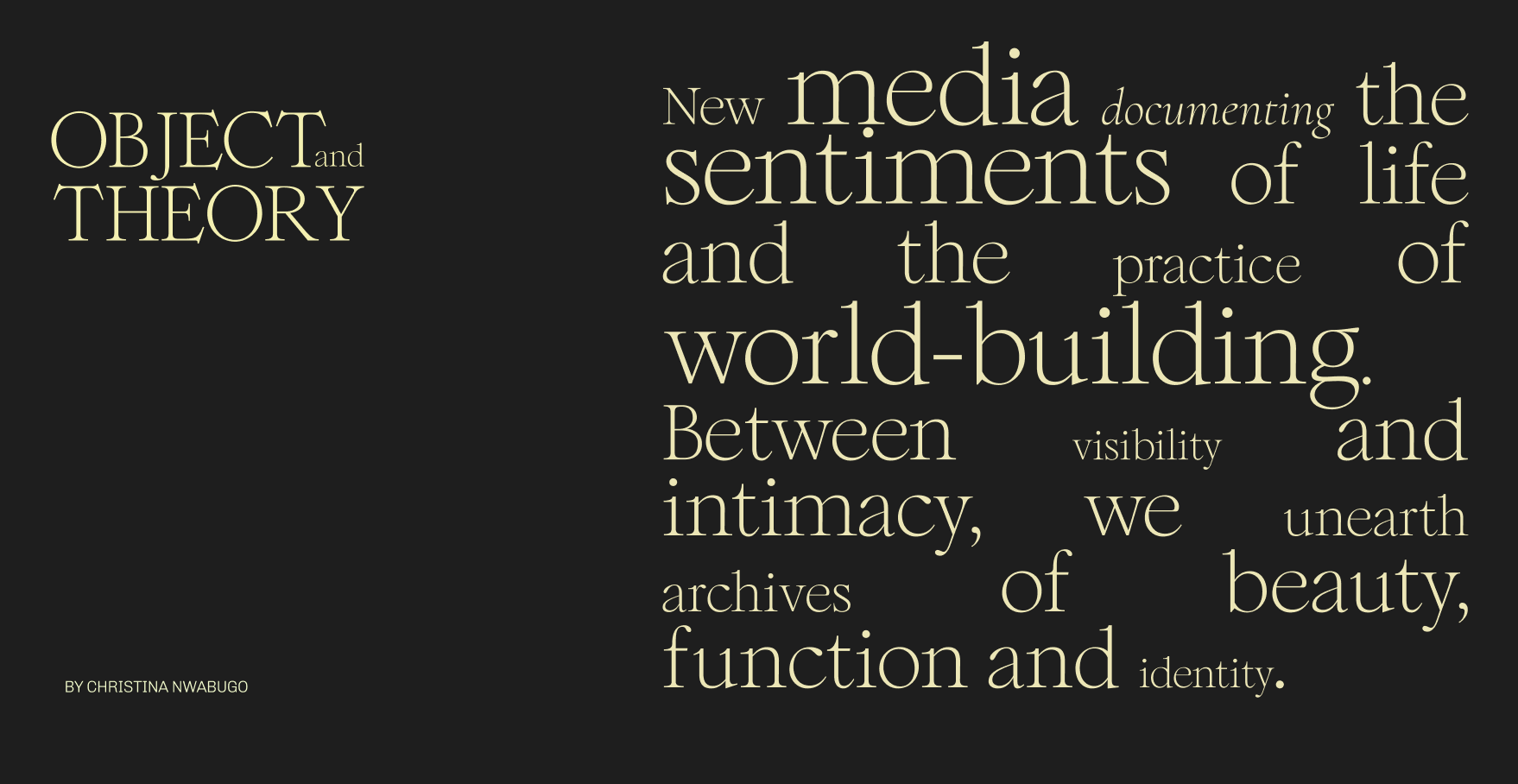
Today’s newsletter is about thinking deeply about why your practice should know no bounds, why you should continually refuse labels in society and why system building takes time for the type B brain.
It’s a mid length read but I will let you get into it.
Object & Theory is my multidisciplinary practice that knows no bounds, I’ll say it again… Object & Theory knows no bounds.
2026, You will see photography, interviews and self publishing. Building digitally is a process that you will have to come to terms with early in your career, especially in our world of group study, archiving/publishing aesthetics, curatorial work and so on. I encourage you to find time and observe the late Ms Koyo Kouoh the legend, who built RawMaterialCompany (an African institution) using an interdisciplinary approach to reimagine anti-colonial narratives uplifting African artists globally, we saw a multitude of artists flourish due to Kouoh knowing no bounds. Much like dear Amy Sall, founder of SUNU journal, who built her own curriculum around Black thought and power in cinema and photography, now becoming a published author and curator of archival materials. These women like many others have created institutions and publishing practices outside traditional frameworks.
That’s the lineage Object & Theory stands in.
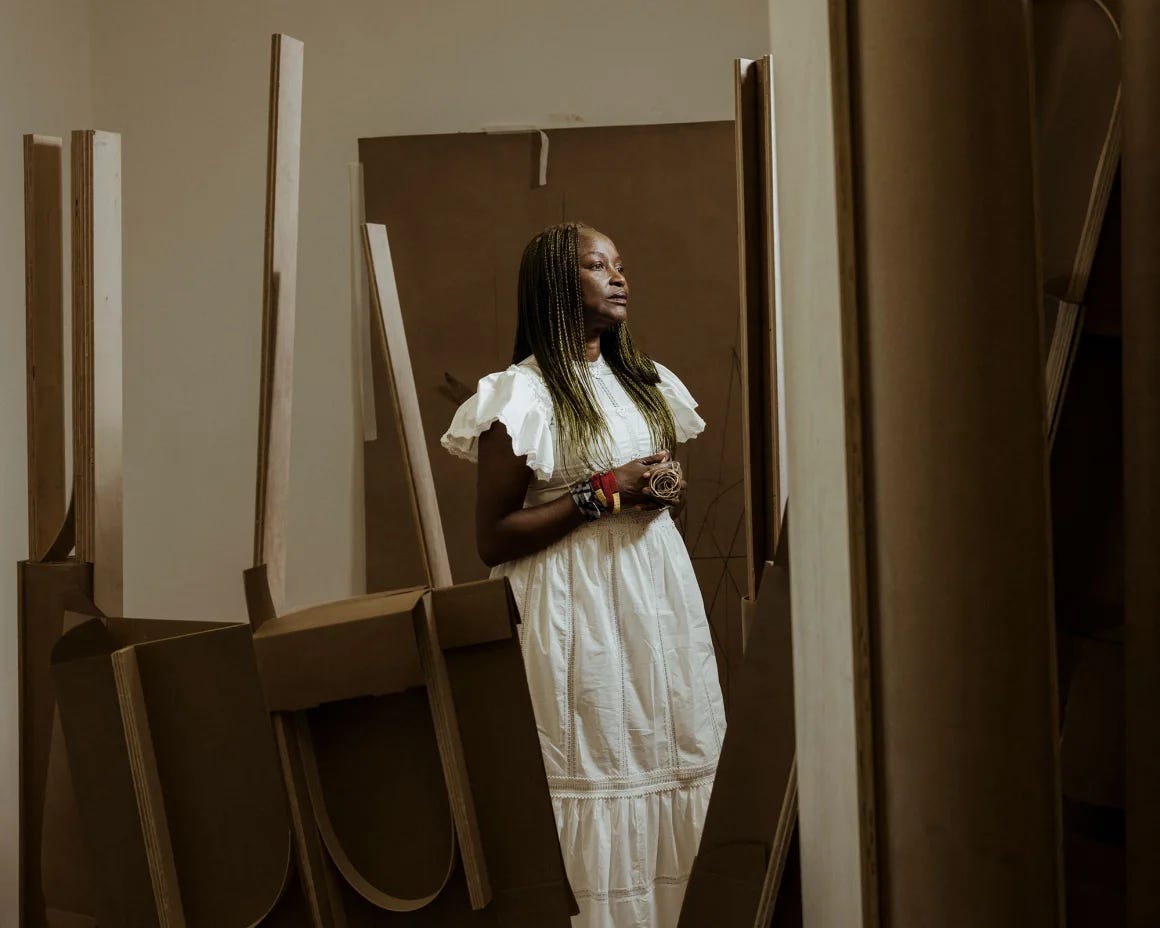
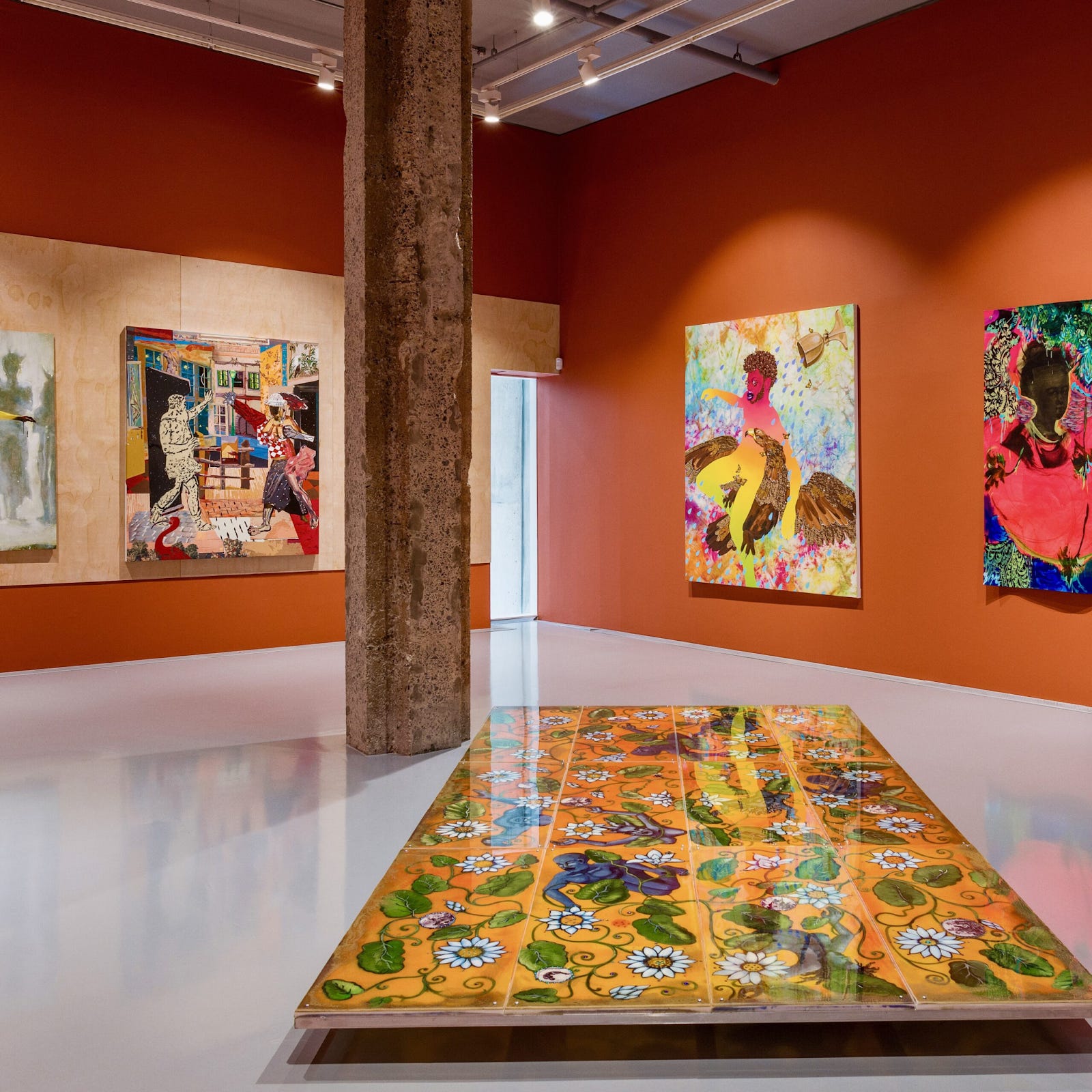
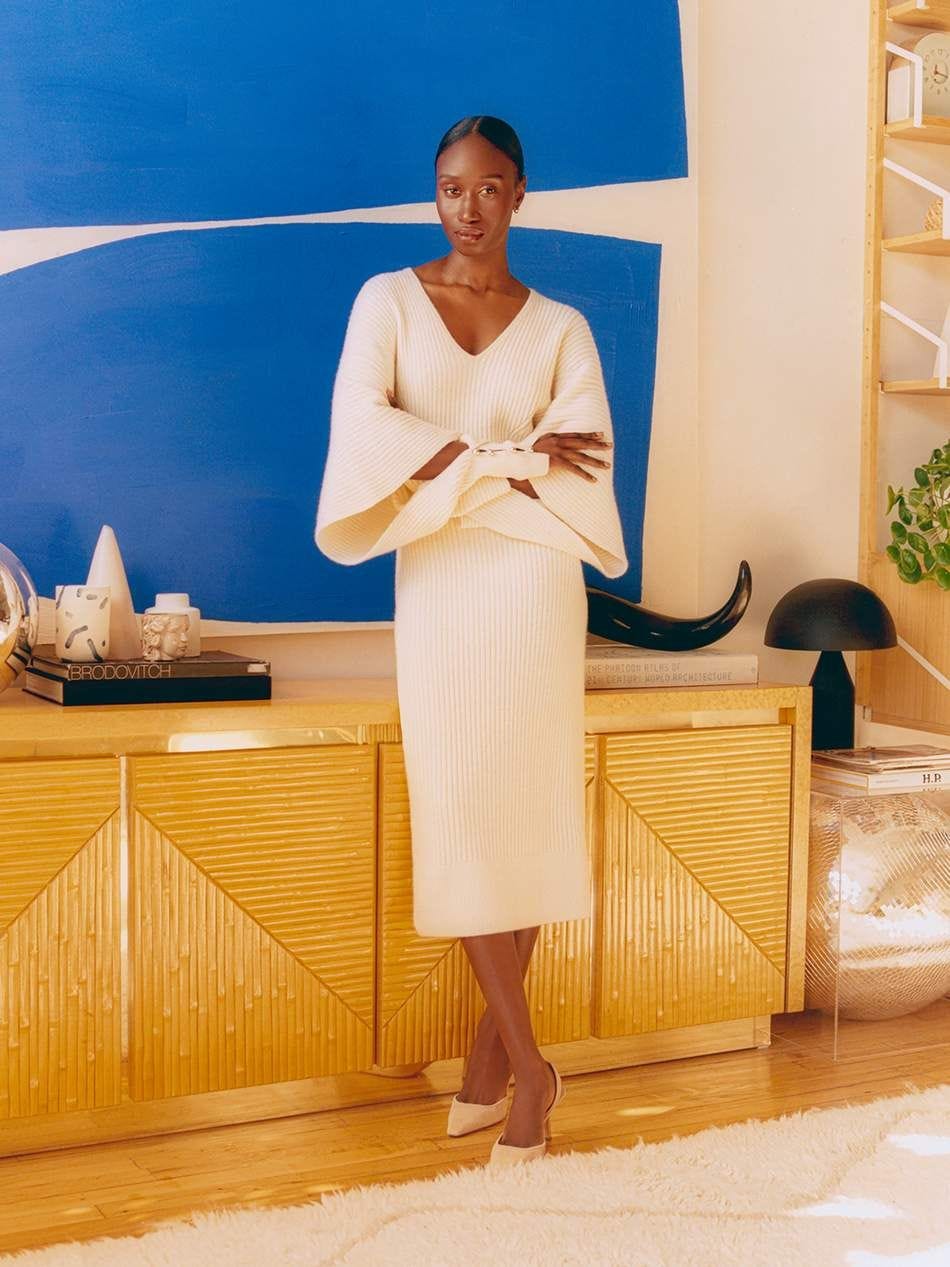
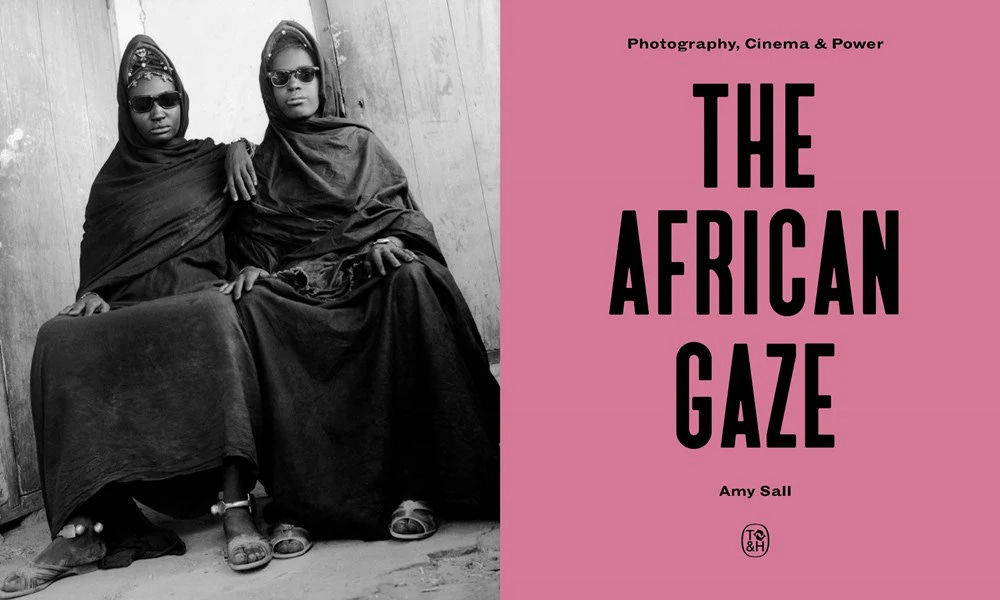
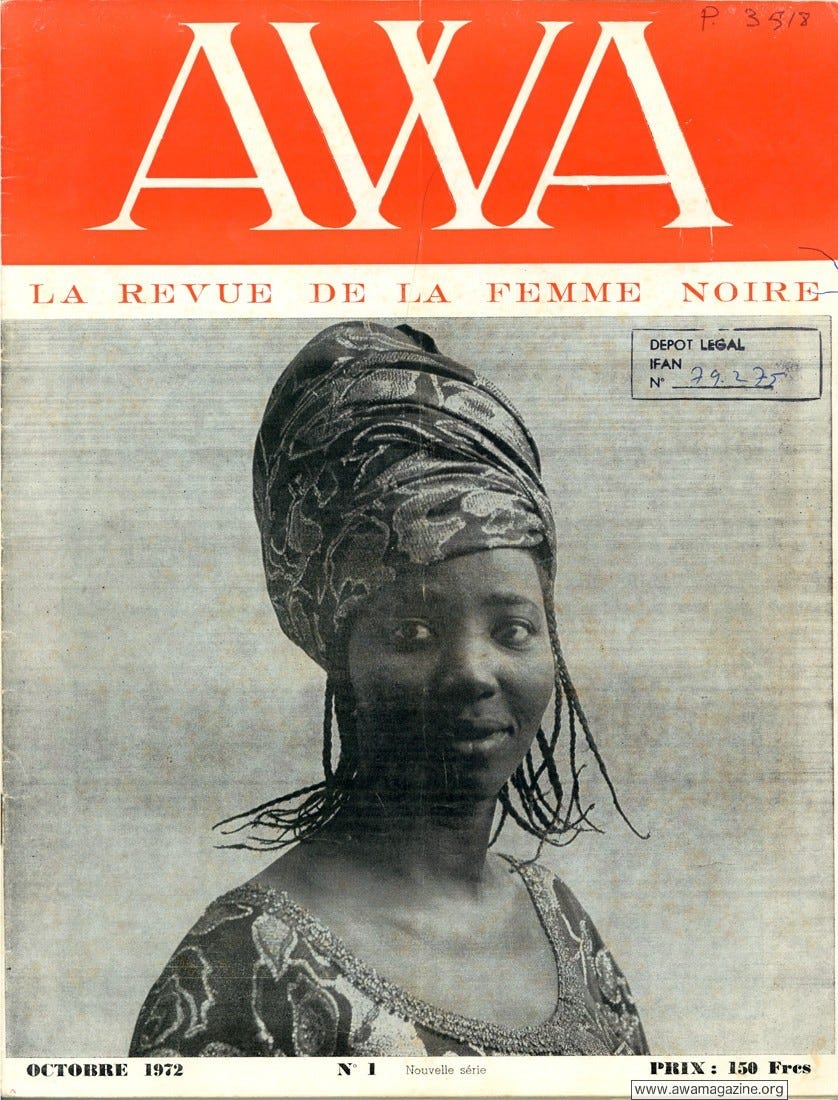
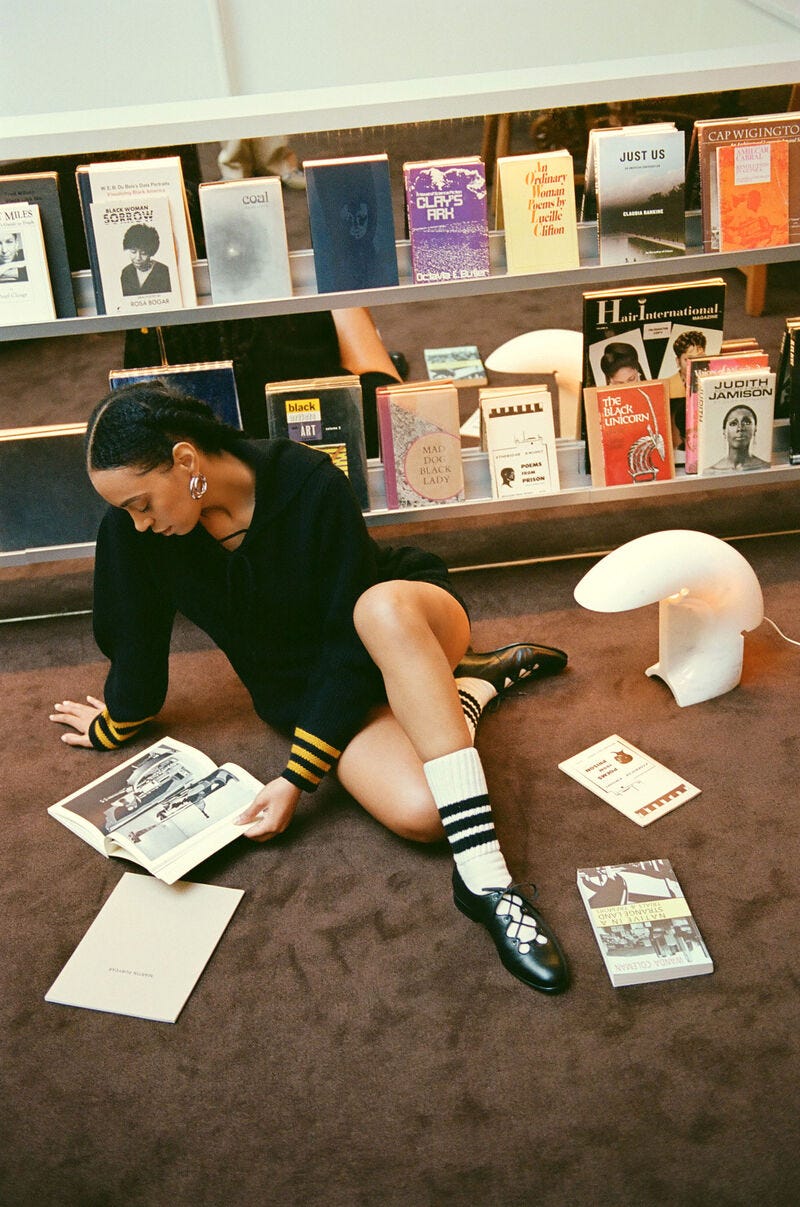
More than ever, books have become the go-to tool for gathering again. It’s one of the many methods we can use to build a network with like minded people, who share knowledge on a variety of engaging topics. Editorial typography is another artful way to bring ideas into physical space.. Yet publishing contemporary African material is still niche? And we are still collecting/sourcing books on Africa published by European authors, this will always be very bazaar. Education and thought are proven ways to create gatherings, and I’m deeply interested in this return to the “book” as part of building our cultural infrastructure. Hence why my interests in visual arts within the media space in the post modern era is a recurring thread in my work. Imagine, previous editors like the legend Annette Mbaye d’Erneville using publishing as a method to share ideas about francophone pan Africanism, her team created AWA which mobilised francophone and global african women on civil rights, education nationalism and more. This discipline during the post colonial era meant knowing no bounds was the key to critique, cover and celebrate histories.
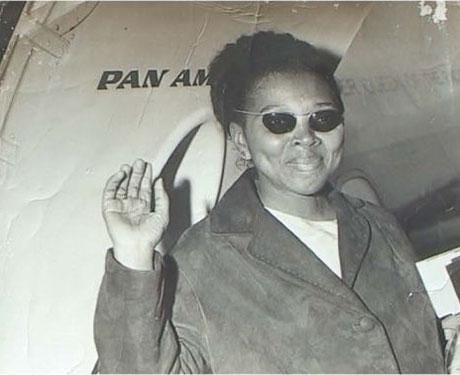
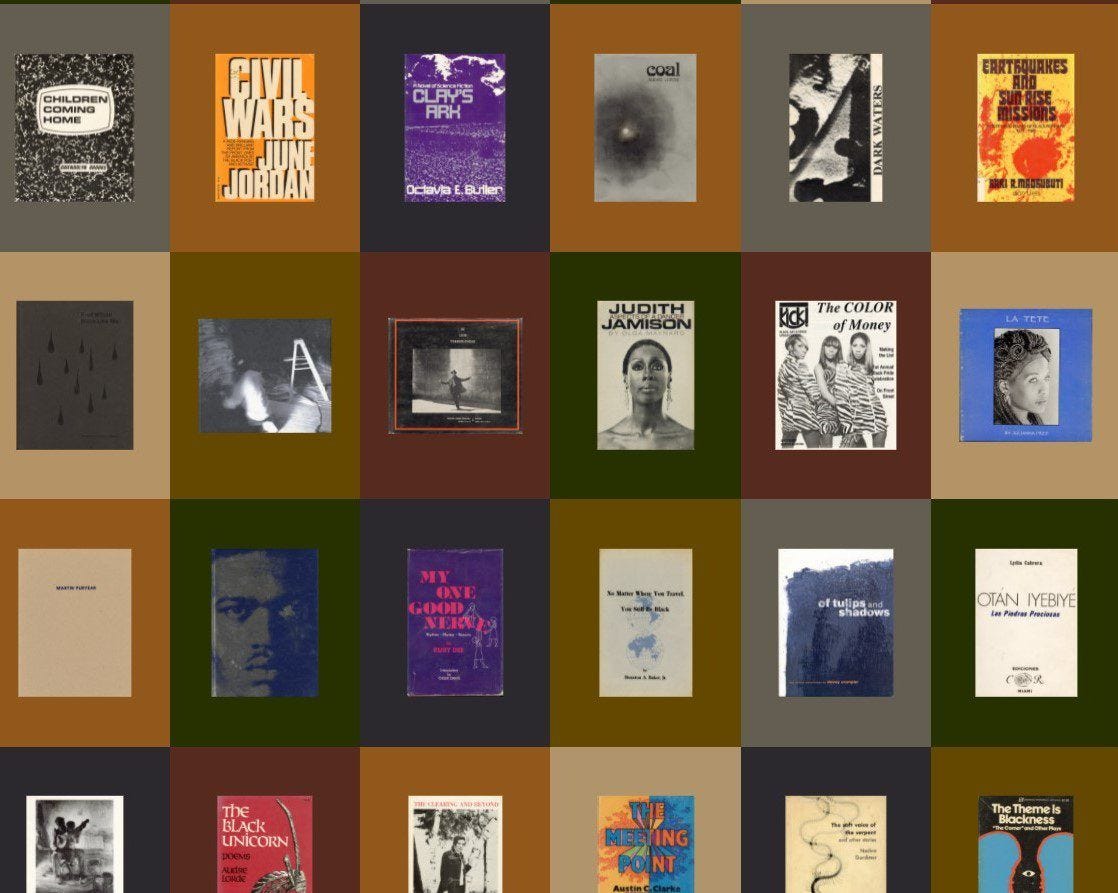
Media platforms I am currently into:
Tounzi founder of Manufactoriel
Niyala Anthology
Passerby
Deep reads by Phoebe Lovatt
Present Space
Saint Heron
Republic Journal
Novembermag by Emmanuel Olunkwa
Wondering people
Today, our industry is an interesting realm that has been curated by all of us repeatedly expressing our uniqueness. This highlights the truth behind developing works of interest that bring you closer to what could inspire you to communicate your imaginary ideas into a physical entity and for me it starts by seeking the beauty in visual identity. Gradually, I will show you all how I research jewellery as adornment, material identities that encourage longevity in heritage and transformation (before I was so obsessed with clay and indigo – lol). Reimagining these concepts into photographic and filmic shoots that showcase a perspective by way of the talents I curate, that itself is process and practice. Lastly the ultimate ingredient is casual salons focused on presentation with objects, critique, and future world-building. Think of this like one big documentary project that you are a part of.
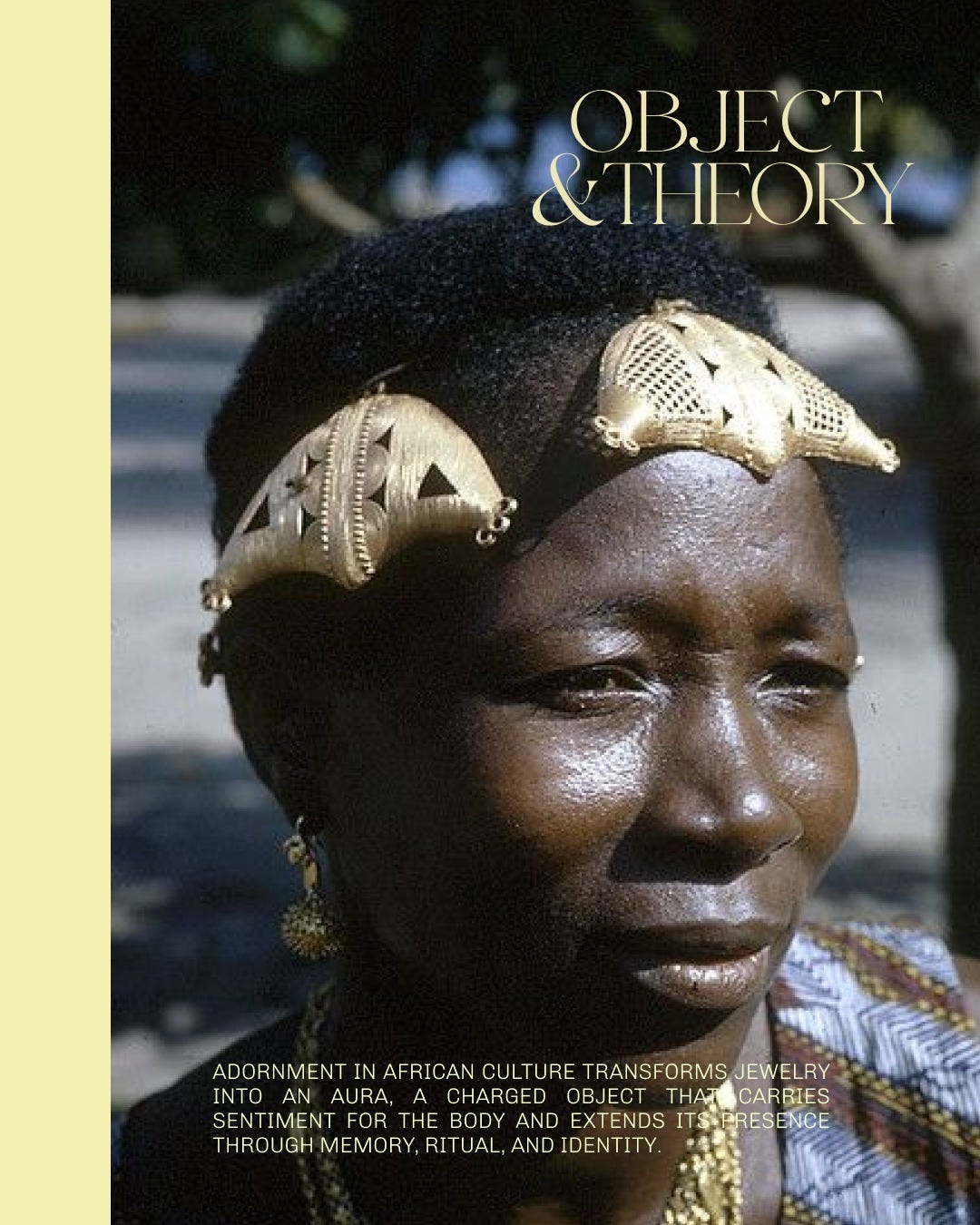
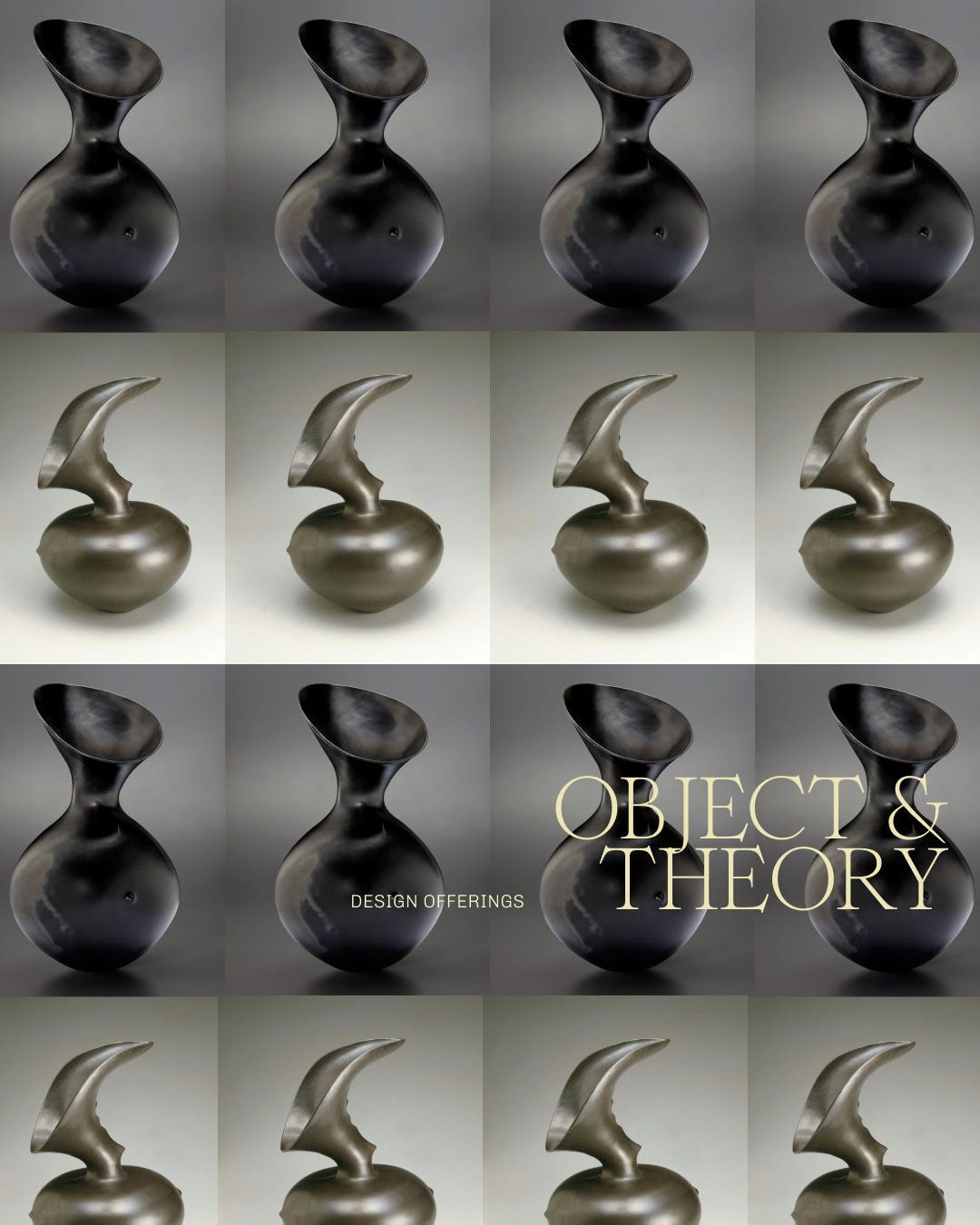
I go back and forth on when is the right time to share what I am working on, I think that is where the process is jaded, your process is supposed to be shared, your ideas should not be placed within a cage.
Believe in your ideas and cut your coat over size this 2026.
What happens when you resist the single categorization like Baba Demas Nwoko. Did you know the design industry continuously labeled Baba Nwoko the Golden Lion winner a “crazy architect”, however his post modern and anti colonial process on what African design and theatre industries should be, earned him a legacy that knows no bounds.
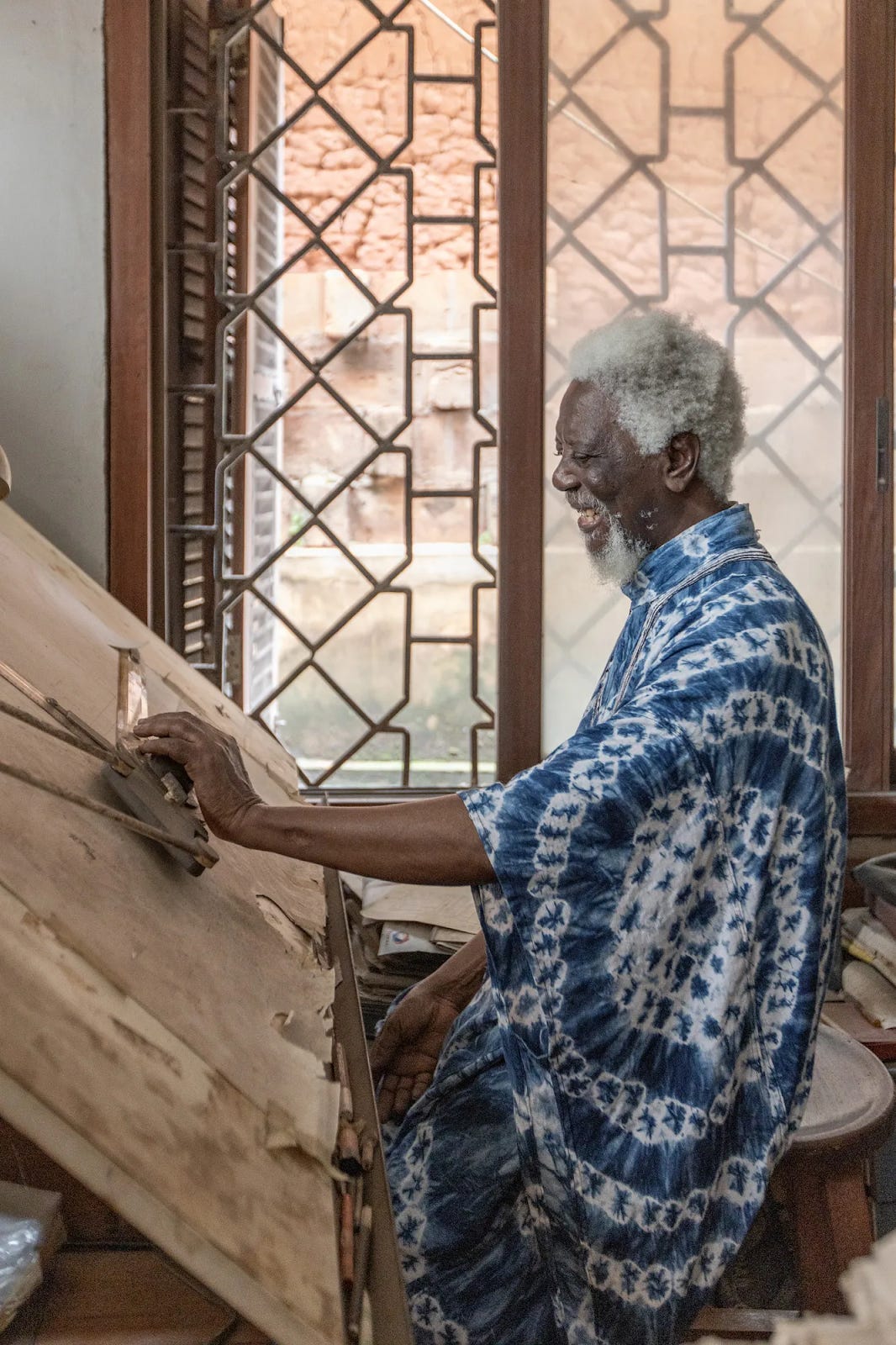
I’ve invested in silence and my creative routine because I’ve been building the system that will sustain this practice and my pursuit, gathering my archives, building new shoots, fostering new conversations will refine my approach, giving you all a more enjoyable and frequently updated space. And I’ve decided, I’m not waiting for the magazine funding to grow. I’m publishing the work here and now. This includes my humble but stunning image collections I’ve made from 2024, the stories behind them and the research that shaped them.
My routine includes (Lagos edition):
Walking my dog
Daydream
Eating a lot of fruit with warm tea in the morning
Writing a journal entry
Write / research on my laptop
Send cold and warm emails
Touch / read a physical book
The physical of what this will be will come, but Object & Theory is a virtual ritual for now.
What’s coming: Fiyin Koko, Lagos-based multidisciplinary artist, the cover and interview we shot in 2024 (I know, so long ago but that is where the magic is). More jewellery research. More maker profiles. More African thought & aesthetics.
Enjoy your ritual –
Your favourite baker,
Christina Nwabugo
Wonderfully written, thanks for breathing more life into our practices 🫶🏿
So well written, and timely. Beautiful. 🕊️